

The 2026 SEC and CFTC Joint Framework: A Historic Turning Point for Crypto Regulation

On March 17, 2026, the landscape of the digital economy shifted permanently. Securities and Exchange Commission (SEC) Chairman Paul Atkins, alongside the Commodity Futures Trading Commission (CFTC), officially unveiled a 68-page joint interpretive release that effectively ends the era of "regulation by enforcement." This landmark Crypto Regulation framework provides the long-awaited clarity that investors and developers have demanded for over a decade. By establishing a clear Digital Assets Classification system, the SEC & CFTC have provided a roadmap for institutional entry and retail safety, signaling that the United States is ready to lead the next chapter of financial innovation. This article explores the short-term market implications, the technical nuances of asset categorization, and the long-term outlook for the global crypto industry.
Moving from Enforcement to Legislative Clarity
For years, the phrase Crypto Regulation was synonymous with legal battles and uncertainty. Under previous leadership, the SEC utilized the 1946 Howey Test as a rigid tool to categorize almost every token as a security. This approach created a "Wild West" environment where innovation was often stifled by the fear of sudden litigation. However, the new SEC & CFTC joint framework marks a departure from this aggressive stance. Paul Atkins noted during the announcement that the commissions are no longer acting as a "Securities and Everything Committee," but are instead focusing on providing fair notice and protecting individual liberty.
This policy shift is not just a change in tone; it is a structural realignment. By moving toward a regime of "legislation by guidance," the SEC & CFTC are aligning their definitions to match the realities of decentralized technology. This harmonization is intended to stop the "turf wars" between agencies that previously forced many American firms to move their operations offshore. For the first time, market participants have a clear set of rules that distinguish between an investment contract and a functional digital commodity.
Decoding the New Digital Assets Classification System
The cornerstone of this 2026 update is a comprehensive Digital Assets Classification taxonomy. The SEC and CFTC have categorized digital assets into five distinct groups, each with its own regulatory oversight and compliance requirements. This classification ensures that projects are not unfairly burdened by securities laws if their primary function is utility or commodity-based.
| Asset Category | Primary Oversight | Representative Assets | Key Regulatory Characteristics |
|---|---|---|---|
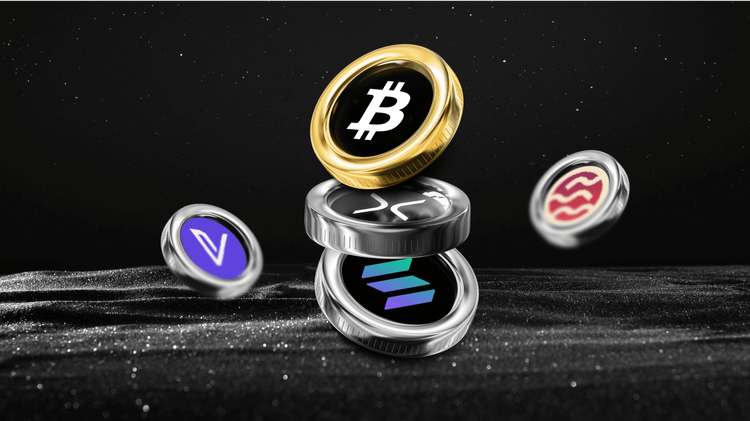
| Digital Commodities | CFTC | BTC, ETH, SOL, XRP | Managed by code; no central control; no passive profit rights. |
| Digital Securities | SEC | Tokenized Stocks, Bonds | Digital versions of traditional financial instruments. |
| Payment Stablecoins | Bank/GENIUS Act | USDC, USDT (Compliant) | Regulated for payment stability and 1-to-1 reserve backing. |
| Digital Tools | Federal Trade Commission | Gas Tokens, Utility Tokens | Used for network fees, service access, or memberships. |
| Digital Collectibles | Consumer Protection | NFTs, Meme Coins | Value derived from community consensus and scarcity. |
According to reports from CoinMarketCap and CoinGecko, the formal naming of assets like Solana (SOL) and XRP as Digital Commodities has already reduced the "compliance discount" previously weighing down their prices. By removing the threat of being labeled an unregistered security, these assets are now positioned for broader adoption in traditional financial products, including ETFs and institutional custody services.
The Dynamic Conversion Mechanism: A Path to Decentralization
One of the most revolutionary aspects of the 2026 Crypto Regulation framework is the "Dynamic Conversion" mechanism. Historically, if a token was sold to venture capitalists during its early stages, it was permanently branded a security. The new SEC & CFTC guidance acknowledges that the nature of a digital asset can change over time. As a project transitions from a centralized team to a decentralized, open-source community, its classification can shift from a Digital Security to a Digital Commodity.
This mechanism provides a clear "exit ramp" for SEC oversight. When a project achieves sufficient decentralization, the managerial efforts of the founders no longer represent the primary driver of the token's value. At this point, the token can be "re-classified" under Digital Assets Classification as a commodity. This encourages developers to build truly decentralized systems rather than staying in a permanent state of central control. This policy change directly addresses the concerns of the CLARITY Act, which sought to establish a durable market structure for these transitions.
Impact on Staking, Mining, and Airdrops
The joint framework also provides explicit exemptions for several core crypto activities. Under the previous regime, the SEC often viewed staking as a form of investment contract. The March 17th interpretation clarifies that protocol-level staking, mining, and even airdrops do not constitute securities offerings, provided they meet specific transparency and decentralization criteria. This is a massive win for the DeFi sector and network participants who secure various blockchains.
By clarifying that these technical processes are not securities transactions, the SEC & CFTC have paved the way for more robust participation in network security. Investors can now engage in staking activities on platforms like WEEX with greater legal confidence, knowing that the regulatory environment supports these essential blockchain functions. This shift is expected to increase the tvl-7532">total value locked (TVL) across major networks as institutional "sideline capital" finally feels safe to enter the market.
Institutional Entry and the Digital Dollar Risk
The introduction of a formalized Digital Assets Classification system is an open invitation for institutional giants like BlackRock and Fidelity to expand their crypto offerings. With BTC and ETH firmly classified as commodities, and Payment Stablecoins regulated under the GENIUS Act, the path is clear for the development of integrated digital finance. We are already seeing the emergence of "Digital Dollarization," where U.S. dollar-backed stablecoins become the primary medium of exchange in global digital markets.
While this consolidates the U.S. position as a global financial hub, it also presents challenges for international regulatory bodies. The SEC & CFTC's move forces other jurisdictions to either adopt similar clear frameworks or risk losing their digital talent to the United States. For investors, this means the focus will likely shift from "if" crypto will be regulated to "how" to best utilize the new legal structures for maximum portfolio efficiency.
FAQ
How does the new SEC & CFTC framework affect my current crypto holdings?
This framework classifies major assets like Bitcoin and Ethereum as Digital Commodities, removing delisting risks. Investors benefit from a more stable market and clearer rules for institutional entry.
What is the difference between a Digital Commodity and a Digital Security?
Digital Commodities are decentralized assets managed by code, while Digital Securities represent tokenized versions of traditional investments like stocks. The CFTC oversees commodities, whereas the SEC regulates securities.
Can a token change its classification from a security to a commodity?
Yes, the "Dynamic Conversion" mechanism allows tokens to transition to Digital Commodities once they achieve sufficient decentralization. This provides a clear legal roadmap for community-led governance.
Are staking and airdrops now legal in the United States?
Staking and airdrops are generally no longer viewed as securities offerings under the 2026 Crypto Regulation. These activities are permitted without SEC registration as long as they are not part of a centralized investment contract.
What is the GENIUS Act mentioned in the regulatory framework?
The GENIUS Act establishes a legal framework for Payment Stablecoins, requiring 1-to-1 reserves and regular audits. It complements the new Digital Assets Classification to ensure secure everyday payments.
A New Era for Market Stability
The March 17, 2026, announcement is more than just a regulatory update; it is the foundation of a new financial era. For the first time, the industry has moved from a defensive "lawsuit-first" posture to a proactive, rule-based environment. The collaboration between the SEC & CFTC has replaced confusion with a clear Digital Assets Classification that respects the unique nature of blockchain technology. While the 400-page draft still requires formal public comment and Congressional finalization, the direction is clear: crypto is being integrated into the heart of the global financial system.
For investors, this shift offers a unique opportunity to re-evaluate their portfolios based on fundamental value rather than regulatory fear. As the "合规折价" (compliance discount) disappears, assets that were once under a cloud of suspicion are seeing a significant repricing. Platforms like WEEX are now operating in an environment where the "rules of the road" are finally visible, allowing for safer trading and more innovative product offerings. Whether you are a builder or a trader, the 2026 regulatory framework provides the stability needed to pursue long-term goals in the digital asset space.
DISCLAIMER: WEEX and affiliates provide digital asset exchange services, including derivatives and margin trading, onlywhere legal and for eligible users. All content is general information, not financial advice-seek independentadvice before trading. Cryptocurrency trading is high risk and may result in total loss. By using WEEX services you accept all related risks and terms. Never invest more than you can afford to lose. See our Terms of Use and Risk Disclosure for details.
You may also like

What is Self-Aware Meme (SAM) Coin: Everything You Need to Know
Self-Aware Meme (SAM) coin has captured attention in the crypto world as a unique Solana-based memecoin that blends…

What is The Dancing Squirrel (BELKA) Coin?
The Dancing Squirrel (BELKA) is a fun, community-driven memecoin launched on the Solana blockchain, inspired by a viral…

What is Mystery (MysteryRiderEth) (MYSTERY) Coin: Everything You Need to Know
Mystery (MysteryRiderEth) (MYSTERY) is a meme-inspired cryptocurrency drawing from Matt Furie’s creative universe, specifically featuring a free-spirited frog…

The Dancing Squirrel (BELKA) Price Prediction & Forecasts for April 2026: Surging 25% This Month Amid Solana Meme Boom
As of April 27, 2026, The Dancing Squirrel (BELKA) is trading at $0.015 per token, according to data…

Self-Aware Meme (SAM) Price Prediction & Forecasts for April 2026: Potential Rally Amid Solana Memecoin Boom
As of April 27, 2026, the current price of Self-Aware Meme (SAM) stands at $0.0045, according to data…
Mystery (MysteryRiderEth) (MYSTERY) Price Prediction & Forecasts for April 2026: Up 6.35% and Potential for Further Gains
Mystery (MysteryRiderEth) (MYSTERY) is catching attention as a meme token drawing from Matt Furie’s “The Night Riders,” featuring…

USDD Review: How a Decentralized Stablecoin Combines Yield and Stability
Earn passive income with USDD and sUSDD. Discover how USDD's over-collateralized model and Peg Stability Module keep the 1:1 peg. Compare USDD vs USDT vs DAI. Includes security audits and staking strategies.

Where and How to Buy Global Digital Energy Reserve (GDER) Coin
If you’re looking to enter the world of niche cryptocurrencies like Global Digital Energy Reserve (GDER) Coin, this…

GDER Crypto Scam Warning: Is It a Pump & Dump Scheme?
Crypto markets often buzz with new tokens promising big returns, but not all are what they seem. In…
What is Unipeg (UPEG) Coin: Everything You Need to Know
Unipeg (UPEG) is a groundbreaking innovation in the crypto space, representing a new kind of on-chain object that’s…
What is The Man from the Future (HENRY) Coin
The Man from the Future (HENRY) coin is a unique cryptocurrency inspired by themes of time travel and…
Is GDER Coin a Good Investment in 2026? Expert Analysis
Global Digital Energy Reserve (GDER) coin has caught attention in the Solana ecosystem as a speculative token tied…
What is Global Digital Energy Reserve (GDER) Coin
Global Digital Energy Reserve (GDER) is a speculative cryptocurrency token built on the Solana blockchain, primarily fueled by…
The Man from the Future (HENRY) Price Prediction & Forecast for April 2026: Could It Surge 50% Amid Web3 Adoption?
As of April 27, 2026, the current price of The Man from the Future (HENRY) stands at $0.85,…

Global Digital Energy Reserve (GDER) Coin Price Prediction & Forecasts for April 2026 – Potential Rally Amid Energy Sector Integration
As of April 27, 2026, the current price of Global Digital Energy Reserve (GDER) Coin stands at $0.0000439,…

Unipeg (UPEG) Price Prediction & Forecasts for April 2026: Could It Surge 50% Amid Ecosystem Growth?
As of April 27, 2026, the current price of Unipeg (UPEG) stands at $0.85, according to data from…
Blockchain Supply Chain Transparency 2026: Trends and Challenges
Blockchain revolutionizes supply chain transparency by 2026 with immutable traceability, smart contracts, and real-time visibility. Learn trends, implementation steps, and case studies. Trade blockchain tokens on WEEX.

Can Global Digital Energy Reserve (GDER) Reach $1? GDER Price Prediction 2026
GDER crypto price prediction 2026: Can Global Digital Energy Reserve reach $1? Technical analysis, RSI 95, contract risks, and why a crash is likely.
What is Self-Aware Meme (SAM) Coin: Everything You Need to Know
Self-Aware Meme (SAM) coin has captured attention in the crypto world as a unique Solana-based memecoin that blends…
What is The Dancing Squirrel (BELKA) Coin?
The Dancing Squirrel (BELKA) is a fun, community-driven memecoin launched on the Solana blockchain, inspired by a viral…
What is Mystery (MysteryRiderEth) (MYSTERY) Coin: Everything You Need to Know
Mystery (MysteryRiderEth) (MYSTERY) is a meme-inspired cryptocurrency drawing from Matt Furie’s creative universe, specifically featuring a free-spirited frog…
The Dancing Squirrel (BELKA) Price Prediction & Forecasts for April 2026: Surging 25% This Month Amid Solana Meme Boom
As of April 27, 2026, The Dancing Squirrel (BELKA) is trading at $0.015 per token, according to data…
Self-Aware Meme (SAM) Price Prediction & Forecasts for April 2026: Potential Rally Amid Solana Memecoin Boom
As of April 27, 2026, the current price of Self-Aware Meme (SAM) stands at $0.0045, according to data…
Mystery (MysteryRiderEth) (MYSTERY) Price Prediction & Forecasts for April 2026: Up 6.35% and Potential for Further Gains
Mystery (MysteryRiderEth) (MYSTERY) is catching attention as a meme token drawing from Matt Furie’s “The Night Riders,” featuring…


